Seongeun Park

Design for Operability • Human-AI Collaboration • Trustworthy Infrastructure AI

Hi, I’m Seongeun Park

Portrait of Seongeun Park

I’m a Ph.D. student in Civil and Environmental Engineering at Carnegie Mellon University.
My research focuses on human-AI collaboration for making infrastructure systems easier to design, operate, and reason about.


Education
Ph.D. in Civil and Environmental Engineering
Carnegie Mellon University
(2024–Present)
Advisor: Prof. Pingbo Tang – HMHI
M.S. in Architectural Engineering
Seoul National University
(2021–2023)
Advisors: Prof. Moonseo Park, Prof. Changbum Ryan Ahn – SNUCEM
B.S. in Architectural Engineering
Kyung Hee University
(2016–2020)

Teaching & Mentorship
Teaching Assistant
Carnegie Mellon University: Building Information Modeling (BIM) for Engineering, Construction, and Facility Management (Spring 2025, Spring 2026)
Seoul National University: Architecture and AI (Spring 2023, Spring 2024)

Research Mentor, Carnegie Mellon University
Mentored one M.S. student and three undergraduate researchers through the CEE Summer Research Program, PITA Fellowship, SURA, and HURAY programs.

View my CV for more details.

Design for Operability

I study how AI can make infrastructure systems easier to design, operate, and reason about by connecting procedures, design decisions, incident knowledge, and real-time conditions.

Human-AI Decision Support

Designing AI systems that help people interpret complex conditions and make traceable decisions without replacing human judgment

Design Refinement and Knowledge Sharing

Helping teams move from early design concepts to operationally useful details while keeping decisions and assumptions visible

Procedural and Incident Knowledge Graphs

Representing procedures, equipment, past incidents, and design choices as connected knowledge that AI can retrieve and explain

Trustworthy Infrastructure AI

Supporting high-stakes infrastructure work without hiding uncertainty or removing human responsibility from final decisions

Procedure-to-knowledge-graph research project

From Procedures to Knowledge Graphs (2026)

Compared vision-based and layout-aware AI approaches for turning complex procedure documents into structured knowledge graphs that can support search, validation, and reuse.

Water treatment system operations project

Human-AI Design Refinement for Water Systems (2025)

Developing a human-AI design refinement system that helps teams move from conceptual PFDs toward more detailed P&IDs while tracking decisions, assumptions, and open questions.

Knowledge graph-based decision support project

AI Decision Support for Infrastructure Operations (2025)

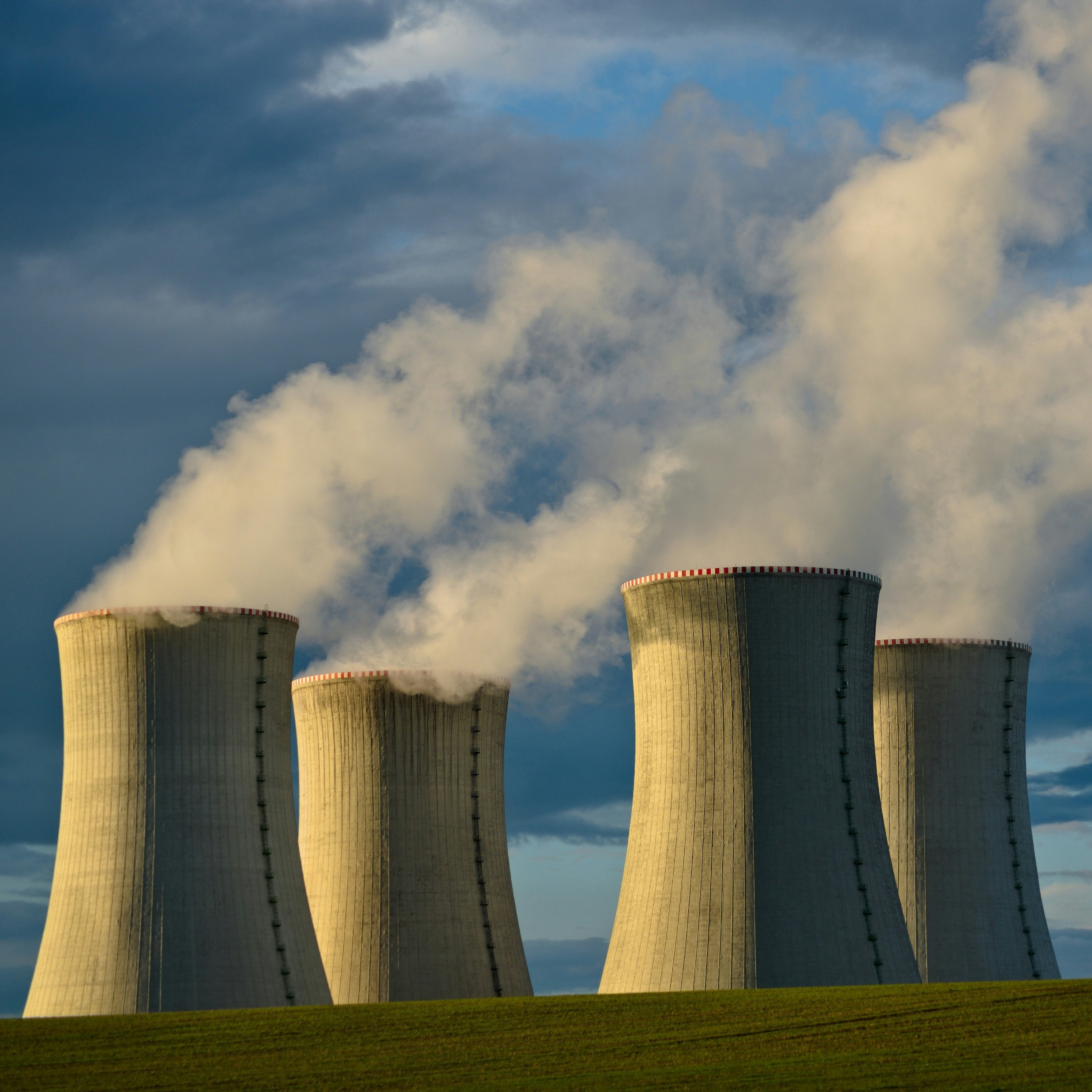
Building BuildLink, a prototype that helps operators connect procedures, live system conditions, and past incident evidence. A nuclear power plant abnormal-operation scenario is used as the first case study.

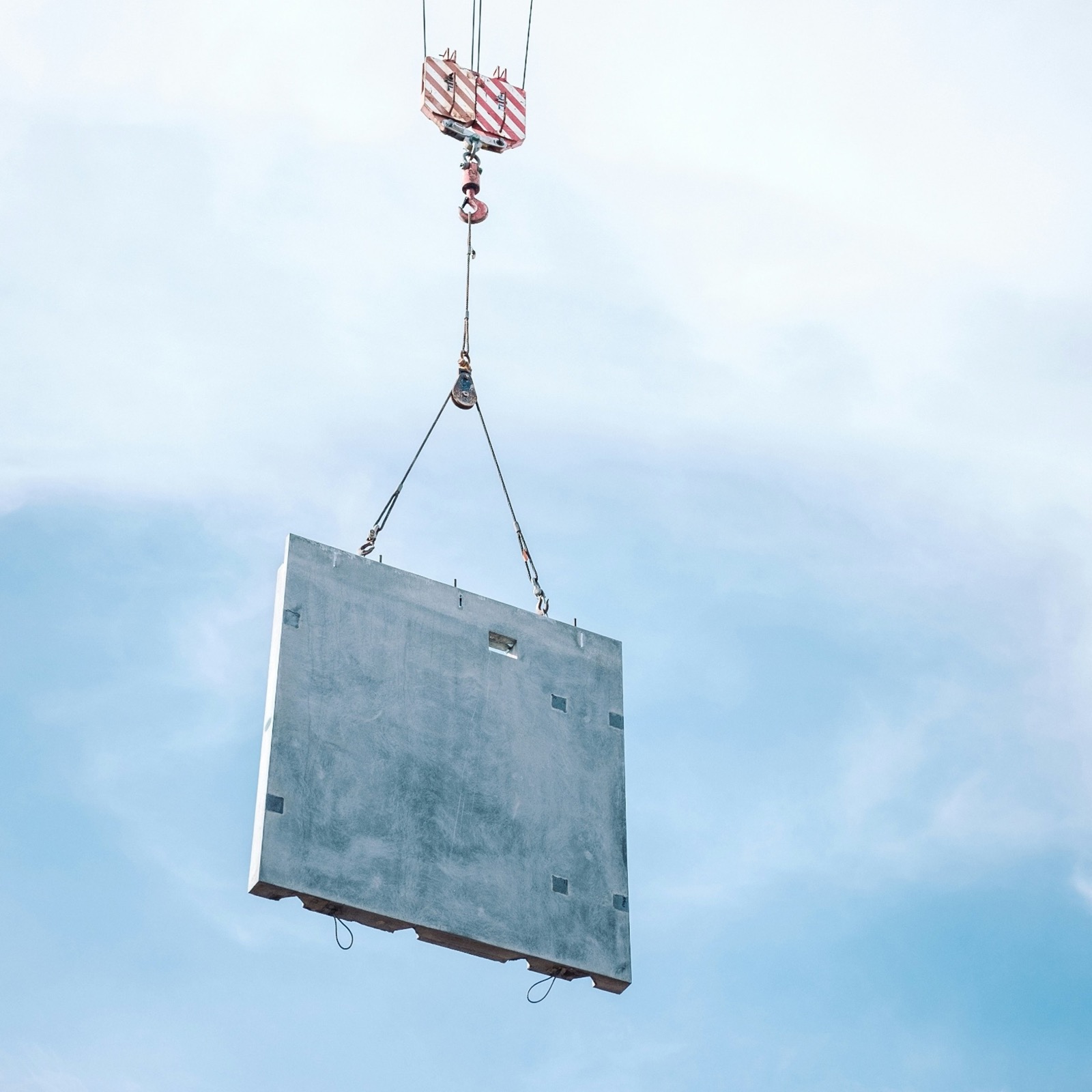
Hanging object detection dataset for construction safety

HangCon: Benchmark Dataset for Hanging Object Detection (2024)

Developed a dataset of 101,381 images to improve the detection of hanging objects on construction sites, addressing safety challenges in lifting operations.

Large language model construction accident prediction project

AI-Driven Accident Prediction for Construction Safety (2024)

Developed a predictive model using fine-tuned GPT and saliency visualization to analyze 15,000 construction accident records. Achieved 82% accuracy in classifying six accident types, demonstrating AI’s potential to enhance safety management.

Tunnel construction activity recognition project

Contextual Multimodal Recognition for Tunnel Construction (2023)

Developed an audio-visual multimodal model to accurately recognize and monitor concurrent activities of multiple equipment in tunnel construction projects. The model enhances operational efficiency by integrating spatial and temporal contexts, achieving an F-score of 96.3% in real-world data testing.

Construction worker activity recognition project

Human-Independent Activity Recognition for Construction Workers (2023)

Developed a sensor-based model for recognizing worker activities without the need for individual re-training. Achieved 78.64% accuracy using a variational-denoising autoencoder, outperforming existing benchmarks.

Slip, trip, and fall hazard identification project

Collective Sensing for Slip, Trip, and Fall Hazard Identification (2023)

Developed a data-driven approach to detect slip, trip, and fall hazards by analyzing workers’ loss of body balance using wearable sensors and GPS-based location mapping.

News

Jul 2026 Presented my work at PSAM 18
Jun 2026 Joined Idaho National Laboratory as a Summer Research Intern
Feb 2026 Selected as a Claire and John Bertucci Fellow in Engineering
Aug 2025 Selected as a CUAHSI Hydroinformatics Innovation Fellow
Jul 2025 Participated in DesignSafe SPARC Program
Apr 2025 Selected as a Chishiki-AI Fellow
Mar 2025 Presented my poster at CMU Energy Week
Feb 2025 Passed my Ph.D. qualifying exam
Aug 2024 Joined HMHI at CMU

Get in Touch

I’m always happy to connect about research, collaboration, or related ideas.