Automating Design Refinement for Water Systems Operations (2025-)
Developed a GraphRAG-based chatbot to automate PFAS treatment and GAC system design, reducing communication overhead between designers and engineers and improving workflow efficiency.
AI for Safer Infrastructure • Human-Centered Design • Trustworthy Automation
I’m a Ph.D. student in Civil and Environmental Engineering at Carnegie Mellon University.
My research focuses on human-AI collaboration for safer, smarter decision-making in high-risk infrastructure systems.
View my CV for more details.
I'm fascinated by the intersection of AI and human decision-making, particularly in high-risk environments. My research aims to enhance safety and operational efficiency by integrating AI-driven insights with human expertise.
Understanding how humans and AI collaborate in critical decision-making under uncertainty
Developing intelligent AI systems that enhance workplace safety in high-risk industries
Building structured knowledge systems to support decision-making and hazard recognition
Ensuring AI systems align with human cognitive processes and decision workflows
Exploring how automation impacts human trust and performance in high-stakes scenarios
Applying AI-driven solutions to improve efficiency and safety in infrastructure management

Developed a GraphRAG-based chatbot to automate PFAS treatment and GAC system design, reducing communication overhead between designers and engineers and improving workflow efficiency.
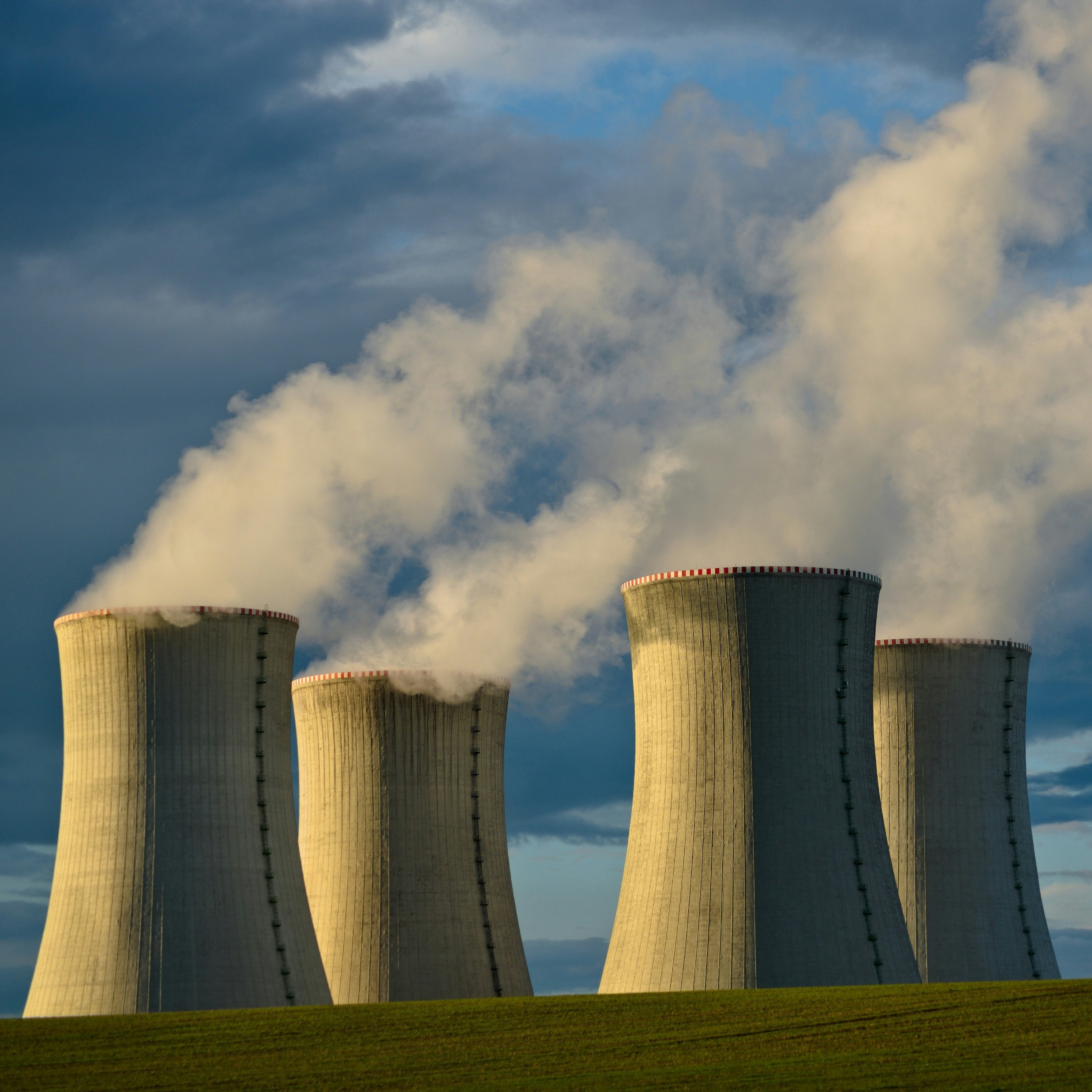
Developing a real-time decision support system using Knowledge Graphs and RAG to help operators anticipate risks and verify safety guidelines for 4th generation nuclear microreactors.
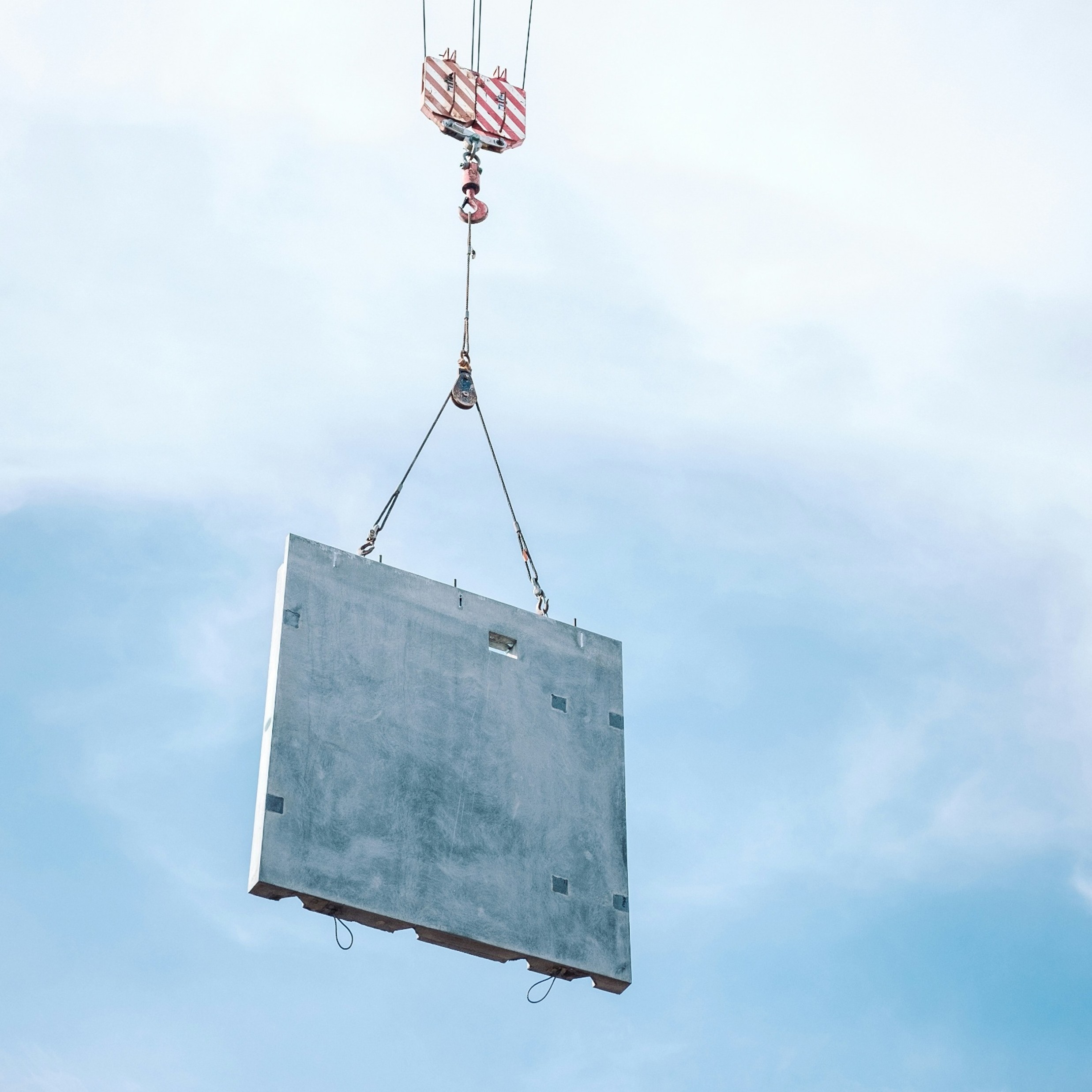
Developed a dataset of 101,381 images to improve the detection of hanging objects on construction sites, addressing safety challenges in lifting operations.
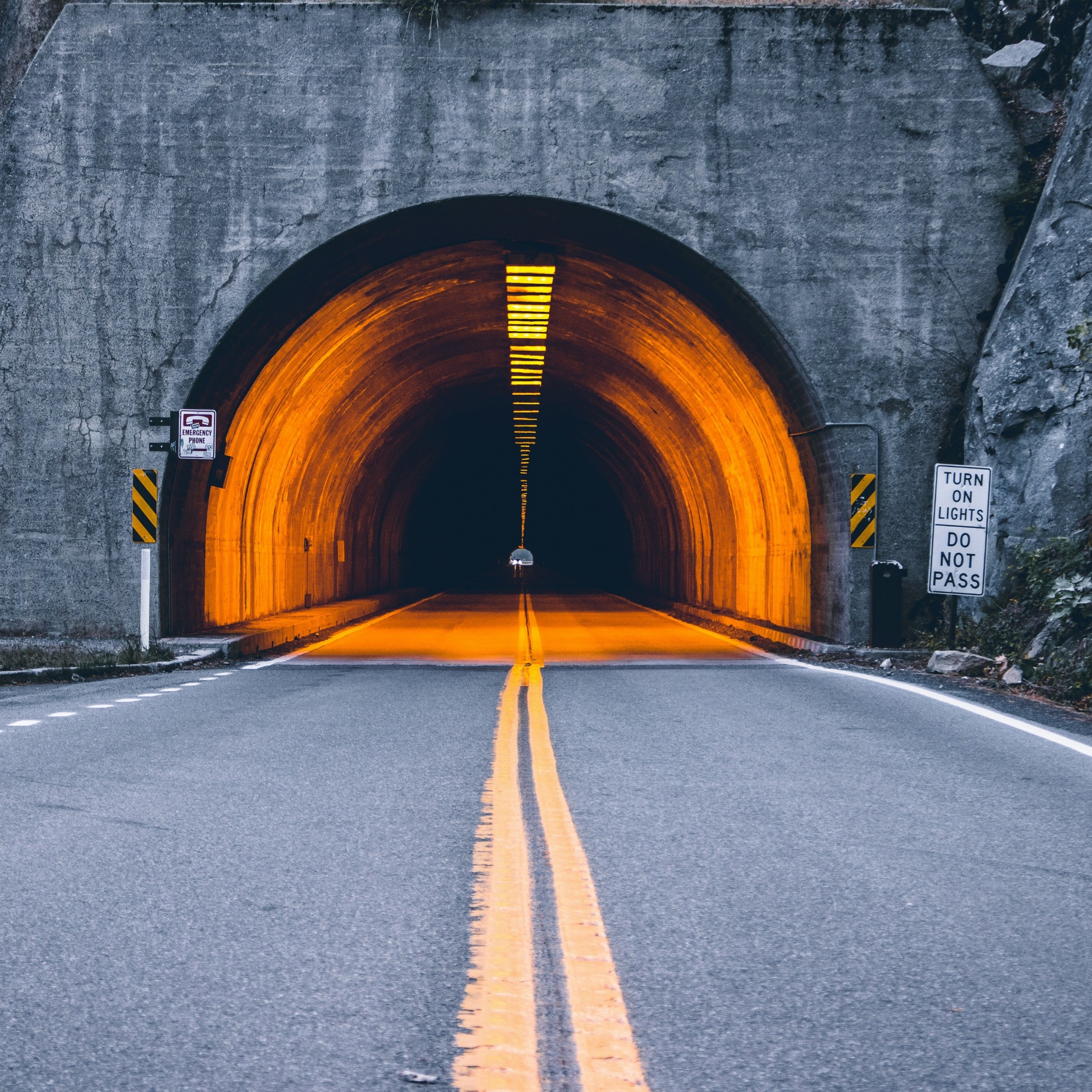
Developed an audio-visual multimodal model to accurately recognize and monitor concurrent activities of multiple equipment in tunnel construction projects. The model enhances operational efficiency by integrating spatial and temporal contexts, achieving an F-score of 96.3% in real-world data testing.

Developed a predictive model using fine-tuned GPT and saliency visualization to analyze 15,000 construction accident records. Achieved 82% accuracy in classifying six accident types, demonstrating AI’s potential to enhance safety management.
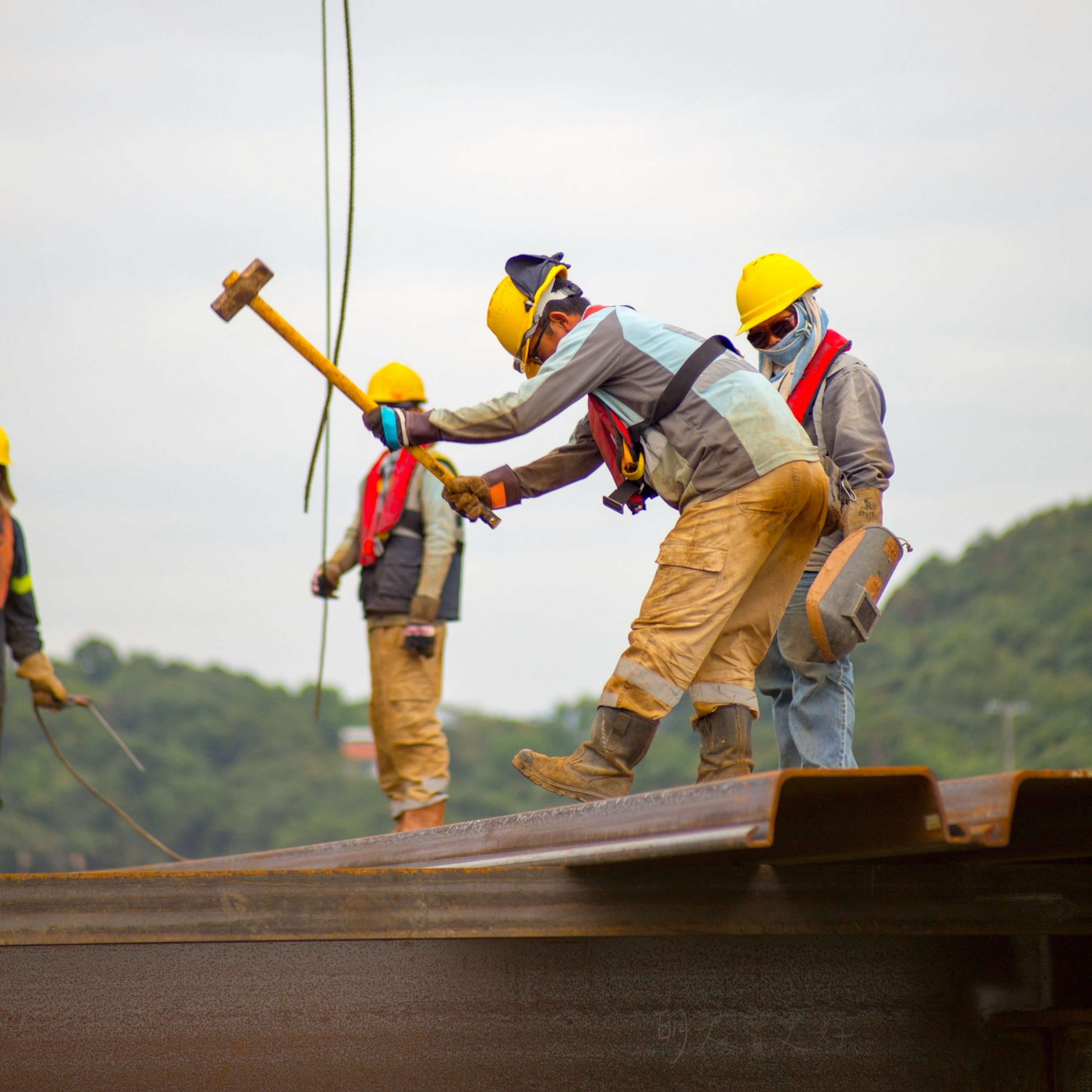
Developed a sensor-based model for recognizing worker activities without the need for individual re-training. Achieved 78.64% accuracy using a variational-denoising autoencoder, outperforming existing benchmarks.
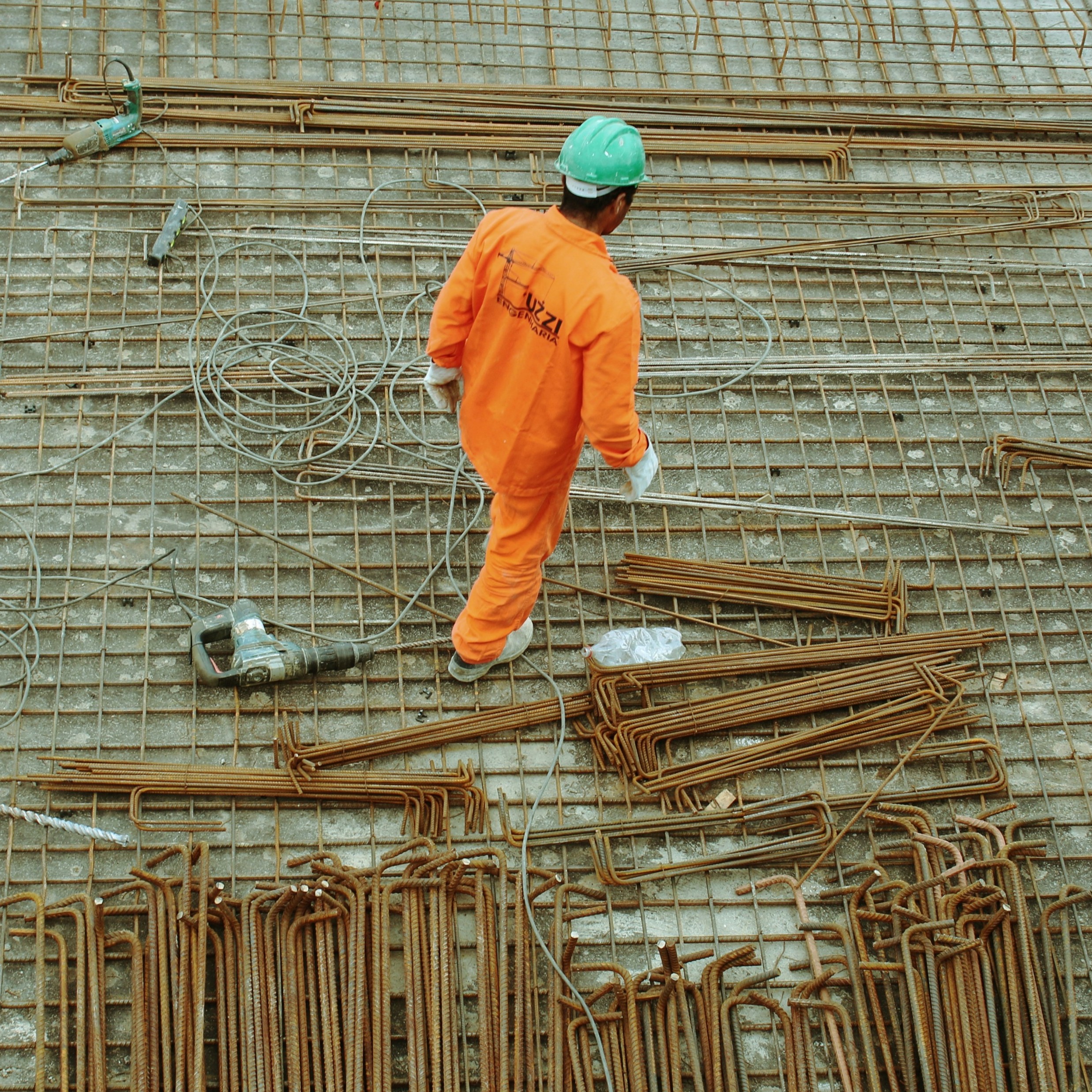
Developed a data-driven approach to detect slip, trip, and fall hazards by analyzing workers’ loss of body balance using wearable sensors and GPS-based location mapping.
| Feb 2026 | Selected as a Claire and John Bertucci Fellow in Engineering |
| Aug 2025 | Selected as a CUAHSI Hydroinformatics Innovation Fellow |
| Jul 2025 | Participated in DesignSafe SPARC Program |
| Apr 2025 | Selected as a Chishiki-AI Fellow |
| Mar 2025 | Presented my poster at CMU Energy Week | Feb 2025 | Passed my Ph.D. qualifying exam |
| Aug 2024 | Joined HMHI at CMU |
If you’d like to collaborate or have any questions, feel free to reach out!